
Resources for Managers and Organisations
To support our clients in delivering fair, efficient and high‑quality shift operations, we provide a comprehensive set of resources. These include training materials, videos, books, operational tools, and practical guidance designed to help managers understand, plan and improve their workforce systems.
Below is a curated list of resources available to you, with clear explanations of how each one can help strengthen your organisation’s operational resilience.
🎥 Training Videos
Our video library provides clear, accessible explanations of key operational concepts, including:
- how shift patterns work
- how to manage absence fairly
- how to improve patient flow
- how to use VisualRotaX effectively
These videos are ideal for managers who prefer visual learning or want quick refreshers on specific topics.
How this helps clients:
Videos make complex operational ideas easy to understand and share across teams, supporting consistent training and better decision‑making.

📚 Books and Publications
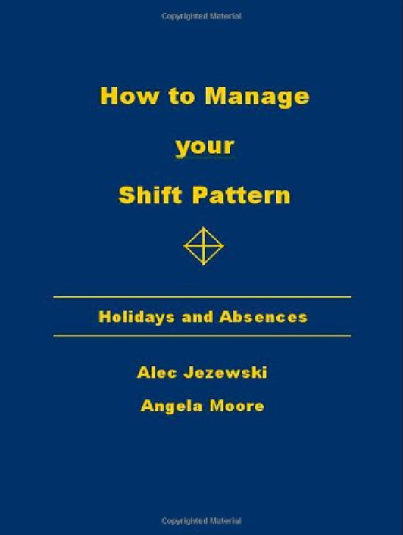
We publish practical, real‑world guides on workforce planning, shift operations, fairness, and quality. These books are used by managers, consultants and training providers across the UK.
How this helps clients:
Our books provide deeper insight into the theory and practice behind shift design, operational research, and staff wellbeing — helping organisations build long‑term capability.
❓ Frequently Asked Questions
- shift pattern design
- absence management
- banked hours
- workload planning
- VisualRotaX features
How this helps clients:
It gives managers quick answers to common operational challenges, reducing uncertainty and supporting confident decision‑making.

⏱ Banked Hours System
Our banked hours approach allows staff to work their contractual hours flexibly over time, rather than rigid weekly totals. This creates resilience, reduces bottlenecks, and supports fair workload distribution.
How this helps clients:
Banked hours help organisations absorb absence, workload peaks and unexpected events without harming quality or staff wellbeing.

🎓 Training for Managers
- shift operations
- workload analysis
- fairness and equality
- absence management
- operational research principles
How this helps clients:
Training builds internal capability, ensuring managers understand not just what to do, but why it works — leading to more sustainable operational improvements.
📊 VisualRotaX Workforce Planning Tool
VisualRotaX is our advanced scheduling system that allows managers to:
- plan months ahead
- match staffing to workload
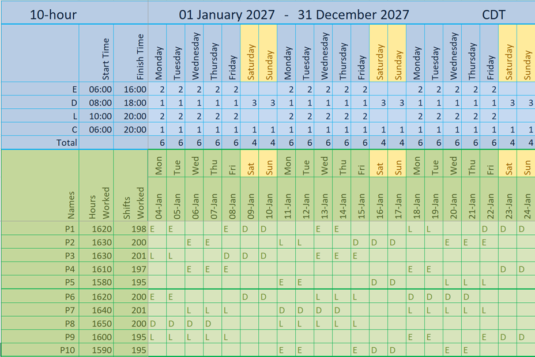
- model absence
- ensure fairness
- maintain compliance
How this helps clients:
It transforms rota planning from reactive firefighting into proactive operational design, improving quality and reducing stress for managers and staff.

📝 Blogs and Online Articles
Our blog provides ongoing insights into:
- operational research
- fairness in shift work
- quality improvement
- NHS operational challenges
- scheduling techniques
- practical case studies
How this helps clients: Blogs keep organisations up‑to‑date with best practice, new ideas, and emerging challenges in workforce management.

Why These Resources Matter
Together, these resources help organisations:
- improve quality of care, and quality of product
- reduce waiting times and delays
- strengthen patient/production flow
- support staff wellbeing
- design fair and efficient rotas
- build resilience against absence
- meet operational and regulatory requirements
They form a complete toolkit for managers who want to move from reactive problem‑solving to proactive, evidence‑based operational design.